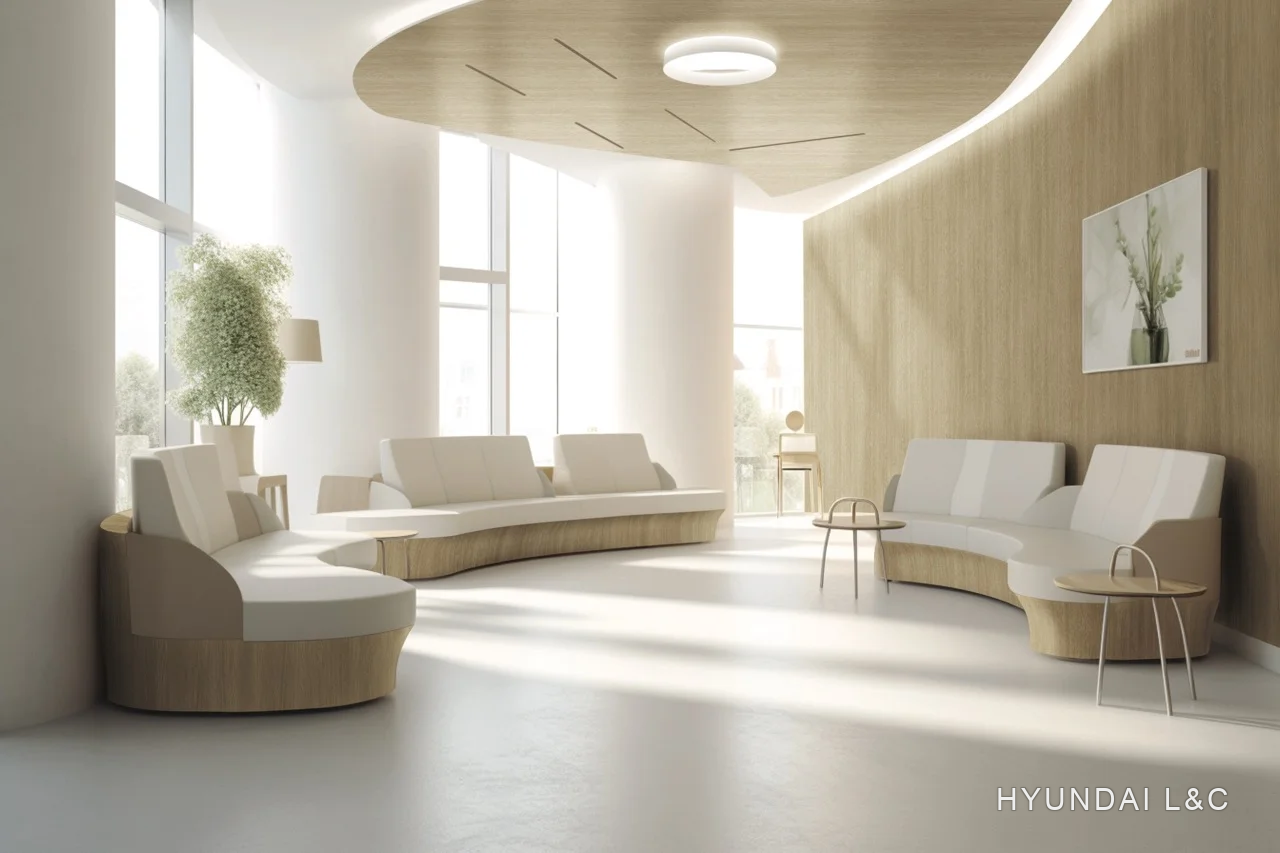
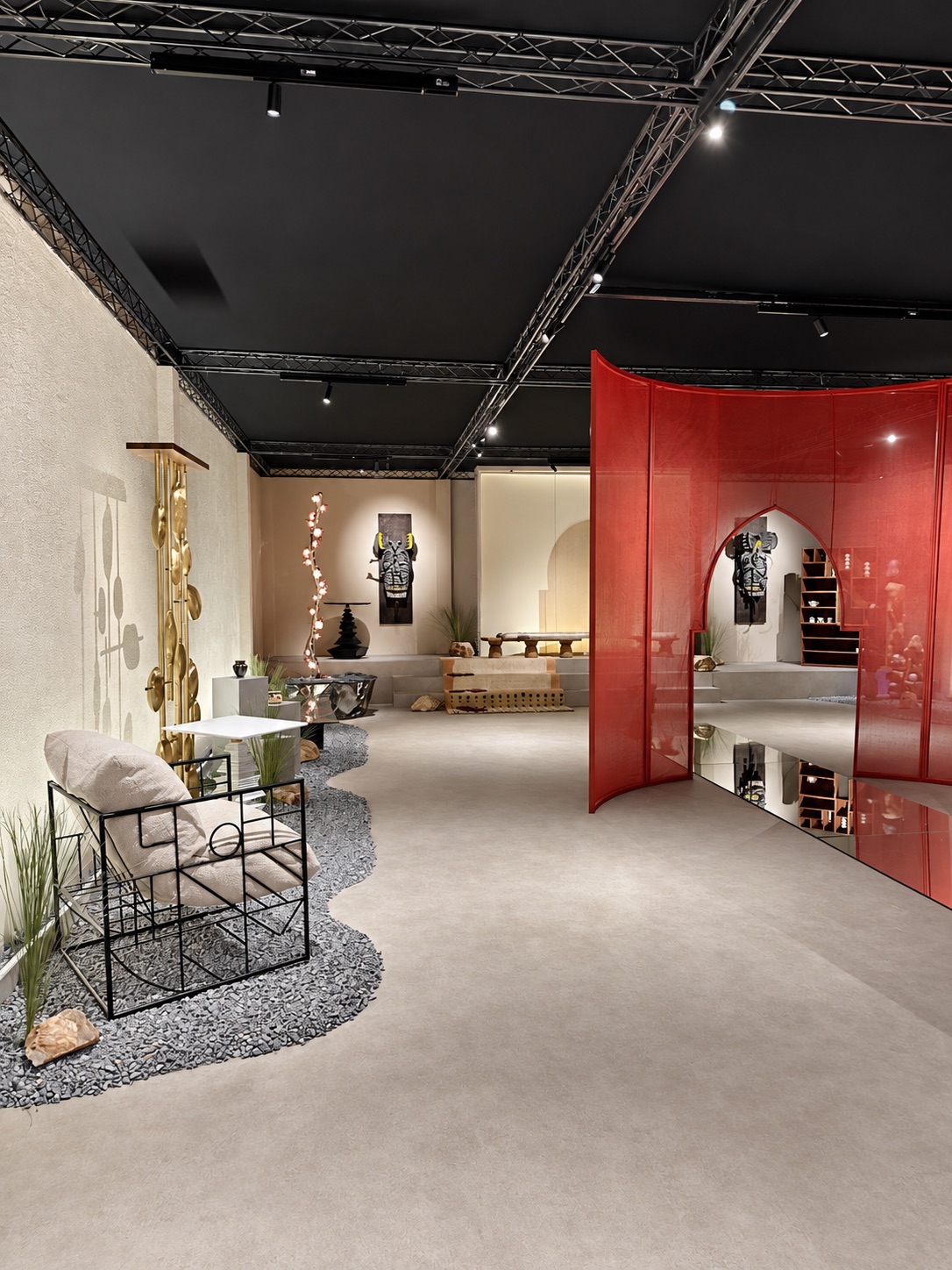
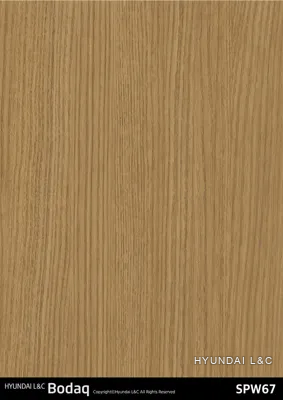
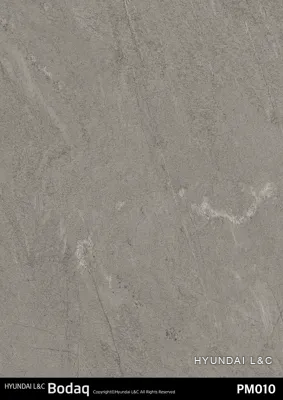
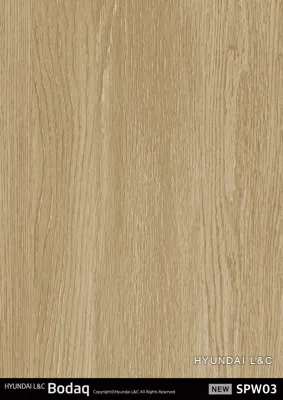
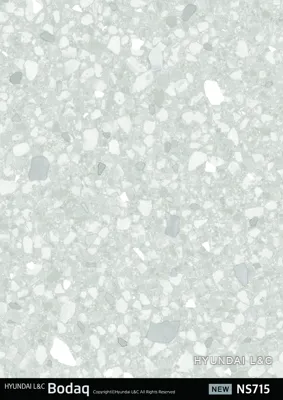
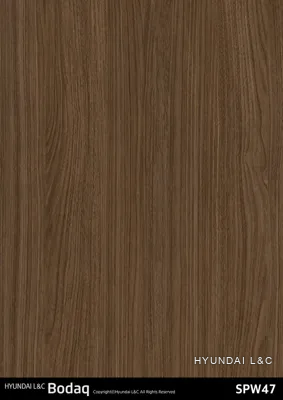
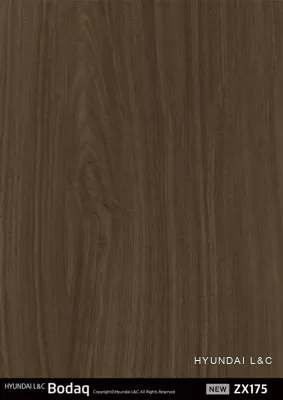
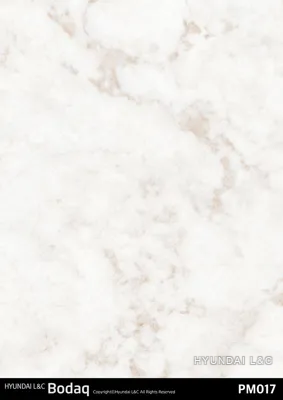
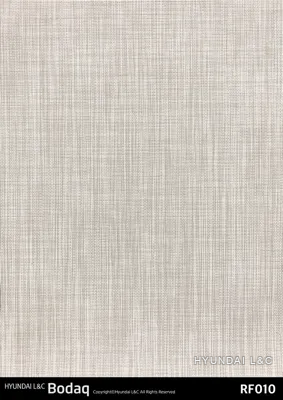
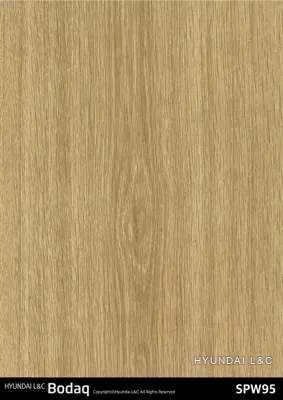
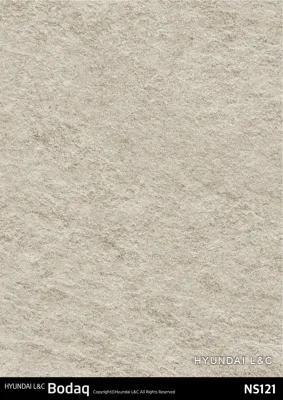
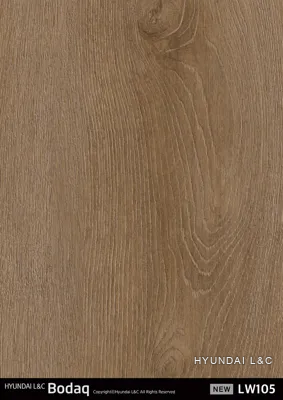
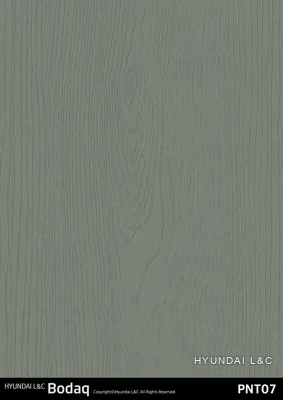
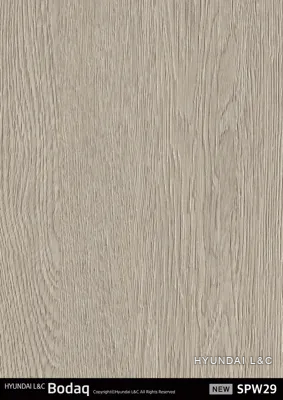
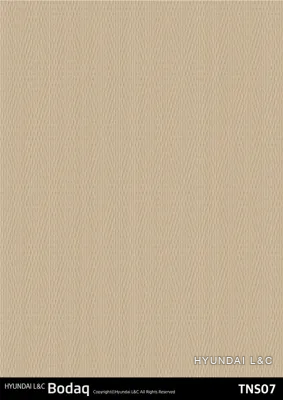
See BODAQ in exhibition, workplace and broadcast interiors across India. Explore selected project photographs, recorded material palettes and local project details.
No patterns found. Try a different code or reset the filters.
Digital colours and texture scale are indicative. Confirm your choice with a physical sample. The 2025 index is a design reference; current India availability is confirmed on enquiry.
02 / IMAGINE THE POSSIBILITIES
From swatch to space.
A curated view of BODAQ in styled interiors. These are composite design visuals for inspiration, not photographs of completed installations.
YOUR NEXT PROJECT STARTS WITH A SAMPLE
Found a finish you love?
Open any pattern and send its code to HLIN. We will help with samples, suitability and availability for your project.
Hyundai L&C describes BODAQ as an interior film developed with strict material-selection standards, reduced emissions, flame-retardant performance and stable surface quality.
The official guide reports no visible change in tests using soy sauce, cola, 10% hydrochloric acid, coffee, 5% ethanol and wine. Results relate to the referenced test conditions; product-specific certification should be checked before specification.
PEOPLE BEHIND THE FINISH
Find skilled hands. Or build your next skill.
Connect with installation teams in India, or apply to the new Hyundai L&C BODAQ installer certification programme.
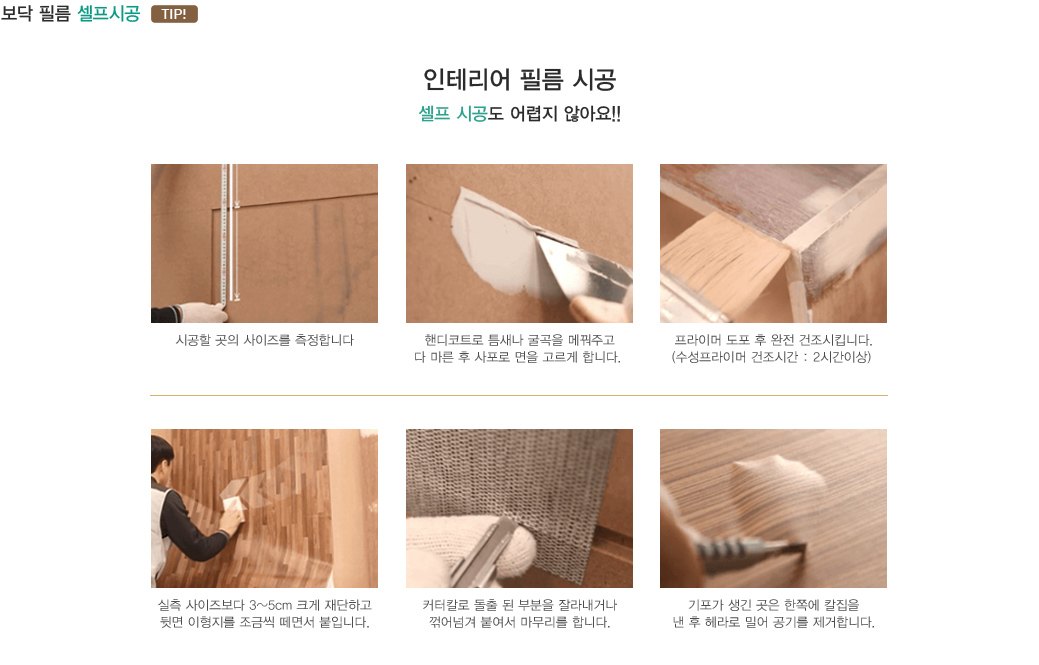
Use the sequence below as a planning guide. Site conditions, substrate, pattern and installer method must be confirmed before work begins.
01
Measure
Measure the application area and plan joints, edges and pattern direction.
02
Prepare
Fill seams and curves, allow them to dry, then sand the substrate smooth.
03
Prime
Apply the appropriate BODAQ primer and allow water-based primer to dry for at least two hours.
04
Cut & place
Cut the film 3–5 cm oversize, peel back a small section of liner and position it.
05
Finish edges
Cut and fold edges carefully, then finish the surface with a squeegee.
06
Release air
If a bubble remains, puncture it with a fine needle and push the air out gently.
Before you begin · Substrate & site checklist
01
Inspect the substrate
Confirm the substrate type and condition. Surfaces that sweat, bleed or contain wax can reduce adhesion and should be corrected before installation.
02
Use uniform MDF
MDF density affects initial adhesion and long-term stability. Use MDF with consistent density across the application area.
03
Correct the surface
Remove contamination and damaged finish from coated surfaces. Sand regular surfaces smooth and fill uneven areas with putty.
04
Verify the product
Before cutting, confirm the product name, surface and colour, and whether flame-retardant certification is required.
05
Control site conditions
Avoid excessive humidity and direct sunlight. Maintain the indoor work area at approximately 15–23°C where practical.
06
Protect unpacked material
During winter, prolonged outdoor storage after unpacking may cause surface cracking and reduced adhesion. Keep rolls protected indoors.
Primer and adhesion
Use Hyundai L&C BODAQ primer. MDF and particle-board cut edges absorb primer strongly and may require two or three coats. Allow the primer to dry fully, then apply the film with even pressure.
Primer is highly flammable. Keep it sealed and away from flames and high temperatures.
Finish-specific handling
High-gloss HD/HS finishes need a clean work area and firm edge pressure. RF metal, UMI real-metal and TNS leather-texture finishes are thicker or more surface-sensitive and require extra care when folding, cutting and using a squeegee.
Check lot consistency for metal colours before installation. Surface contamination, scratches or punctures may remain visible on sensitive finishes.
Storage and use limits
Keep material away from moisture and direct sunlight. Do not use Interior Film outdoors unless the selected product is specifically designated for exterior use. Long outdoor storage after unpacking in winter may cause cracking or reduced adhesion.
This editable guide is a concise transcription of Hyundai L&C's official image-based BODAQ feature and installation information. It does not replace the current product data sheet, certification or professional installer assessment.
Interior Film FAQ
Choosing interior film for an India project.
Start with the surface, intended use and finish. HLIN can help confirm the appropriate BODAQ family, current documentation and sample availability.
What is interior film?
Interior film is a flexible, self-adhesive decorative surface material used on suitable prepared furniture, doors, wall panels, partitions and fixtures.
Where can BODAQ Interior Film be used?
Typical applications include furniture, cabinetry, interior doors, partitions, wall panels, retail fixtures and selected glazing or building surfaces. Suitability depends on the product line, substrate and exposure.
Is interior film suitable for renovation projects?
Interior film can renew suitable prepared surfaces in renovation projects. The existing substrate, preparation method, edges, joints and installation conditions must be checked before specification.
How is interior film different from PHPL?
Interior film is a flexible self-adhesive finish applied to a suitable prepared surface. PHPL is a rigid high-pressure decorative laminate used through furniture and panel fabrication processes.
Can I request BODAQ Interior Film samples in India?
Yes. Share the preferred finish, application, substrate, project city and approximate quantity with HLIN so the team can advise on current sample availability.
How do I request an interior film quotation?
Send HLIN the selected pattern or finish, substrate, approximate area or quantity, project location and required delivery schedule through the enquiry form or WhatsApp.
Primary source
Hyundai L&C official BODAQ product guide
Performance, environmental, safety and installation guidance has been transcribed from Hyundai L&C's official image-based product information so it remains searchable and editable. Confirm current product-specific documentation before specification.